Blog

  • cheap injection mold: Reliable Manufacturers Guide 2026

    For overseas buyers and product developers, sourcing a cheap injection mold from China remains one of the most effective strategies to control upfront tooling costs and improve project ROI. However, the pursuit of low cost is often fraught with risks concerning quality, communication, and timeline adherence. The true challenge in 2026 is not merely finding an inexpensive supplier, but identifying a reliable China mold factory that delivers consistent value. This guide cuts through the noise to provide actionable, professional strategies for your procurement process, ensuring your quest for an affordable injection mold does not compromise the integrity of your final product.

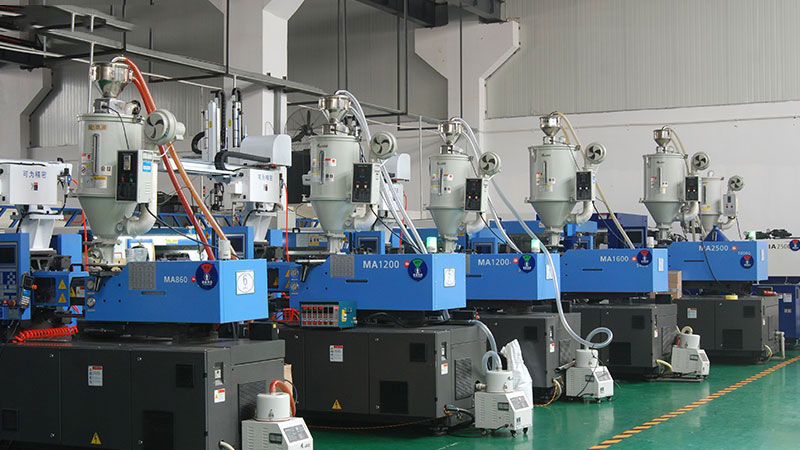
    The foundational step in securing a reliable and cheap injection mold is conducting thorough supplier verification. In the digital age, a polished website is a given, not a guarantee. Move beyond the online facade by initiating direct engagement. Require detailed case studies of molds they have built for overseas clients, specifically for products similar in complexity and material to yours. Insist on a video conference to tour their facility virtually; a reputable injection mold maker will readily showcase their workshop, machinery (look for modern CNC, EDM, and mold testing presses), and quality control stations. Furthermore, verify their business licenses and export history. Tools like China’s Customs data can be used to confirm their volume of international shipments. This due diligence separates marketing entities from genuine manufacturing partners.

    Once a potential partner is identified, mastering the technical and commercial discussion is critical. The biggest pitfall is submitting a vague request for quotation (RFQ). To obtain an accurate and competitive quote for your injection mold, provide a comprehensive package. This must include a detailed 3D CAD model (STEP or IGS format), 2D drawings with critical dimensions and tolerances clearly marked, and a specification sheet outlining the intended plastic material, expected annual production volume, cosmetic requirements (e.g., texture, polish), and part function. This clarity prevents misunderstandings and allows suppliers to quote based on identical specifications. Be explicit about your expectations for mold life (e.g., 500,000 shots) and included deliverables like 3D mold flow analysis reports. Transparent communication at this stage sets the stage for a smooth procurement journey.

    The adage “you get what you pay for” often applies to tooling, but intelligent quality control (QC) protocols allow you to manage cost without sacrificing standards. Define and agree upon QC milestones before work begins. Key checkpoints include a pre-production design review (using mold flow analysis), a T1 sample approval process, and a final inspection before shipment. For critical projects, consider engaging a trusted third-party inspection service in China to conduct an Initial Sample Inspection Report (ISIR) or a Dimensional Measurement Report when the first shots are produced. This independent verification provides an objective assessment of the mold’s output against your drawings. Additionally, discuss the supplier’s internal QC processes—how they inspect core and cavity dimensions, cooling line pressure tests, and part ejection. A factory that invests in its own QC is a more reliable partner.

    Navigating logistics and fostering a long-term partnership are the final, crucial phases. Clearly determine incoterms (EXW, FOB, etc.) with your China mold factory to avoid hidden freight and handling costs. For a cheap injection mold, the total landed cost is what matters. Ensure the supplier has experience in safe mold packaging—typically wooden crates with proper internal cushioning—and can handle all export documentation. Furthermore, view this transaction as the start of a relationship. A reliable manufacturer will offer a clear mold warranty (e.g., 1-2 years against workmanship and material defects) and be willing to store your mold for future production runs. Their responsiveness during maintenance or repair requests is a key indicator of their long-term reliability. Establishing a partnership, rather than a one-time purchase, secures your supply chain for future projects.

    Successfully importing a cheap injection mold from China in 2026 requires a shift in focus from price hunting to value sourcing. By implementing rigorous supplier verification, providing crystal-clear technical specifications, enforcing structured quality control measures, and planning for the total cost of ownership, you mitigate the inherent risks of overseas procurement. The goal is to build a collaborative relationship with a competent China mold factory that understands your standards. This professional approach transforms the search for an affordable injection mold from a daunting gamble into a strategic, repeatable business process that delivers consistent quality and sustainable cost advantages for your product development cycle.

    Work With Us

    As a professional China mold manufacturer, we provide one-stop mold solution for overseas buyers.
    📞 Phone: +86-18605944639
    💬 WhatsApp: +8618605944639
    🌐 Website: bestmoldworks.com
    📧 Email: [email protected]
  • how to make custom plastic parts: Professional Buying 2026

    For engineers, product developers, and procurement managers worldwide, the journey of how to make custom plastic parts is increasingly routed through China. The combination of advanced manufacturing capabilities, significant cost advantages, and scalable production makes Chinese mold factories an indispensable partner. However, the landscape of professional buying is evolving rapidly. As we look toward 2026, success hinges on a strategic, informed approach that goes beyond simple price comparison. This guide provides actionable, professional insights for overseas buyers to navigate the complexities of importing high-quality injection molds and parts from China, ensuring reliability, quality, and value.

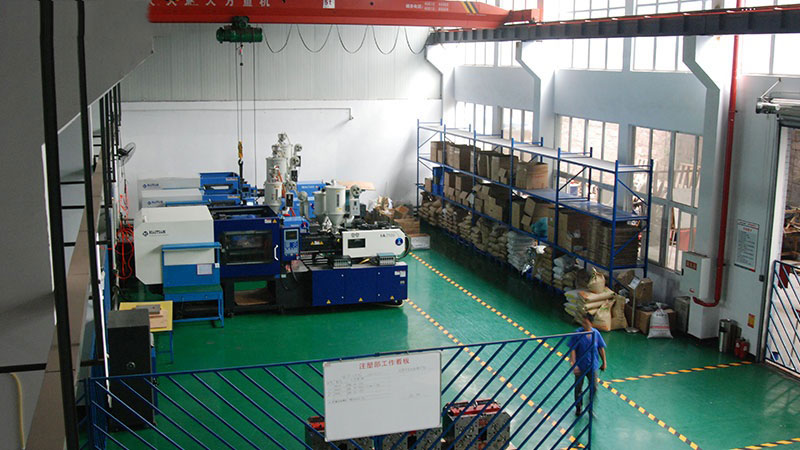
    The foundation of creating any custom plastic component is the injection mold. Your first and most critical decision is selecting the right China mold factory. This step transcends mere sourcing; it is about forming a strategic partnership. Begin with a thorough supplier verification process that scrutinizes technical capability, not just company size. A professional factory should readily provide evidence of their expertise in your specific industry—be it automotive, medical, consumer electronics, or packaging. Request detailed case studies, ask for videos of their machining centers and molding workshops, and verify their experience with the material technologies your project requires. In 2026, leveraging digital tools for this initial audit is standard; use video conferencing for virtual factory tours and digital platforms to validate business licenses and export credentials. This upfront diligence mitigates the vast majority of risks associated with offshore procurement.

    Once a qualified supplier is shortlisted, the focus shifts to precision in the design and quotation phase. A professional buying approach demands a comprehensive Request for Quotation (RFQ) package. This should include not only 3D CAD files (preferably in STEP or IGES format) but also a detailed specification document. Outline critical parameters: target annual volumes, intended plastic resin, cosmetic requirements (e.g., texture, gloss), part function, critical dimensions, and tolerance standards. The most reliable China mold factories will analyze your design for manufacturability (DFM). They should proactively provide a DFM report, suggesting modifications to wall thickness, rib design, gate locations, and ejection strategies that optimize part quality, mold longevity, and cost. Treat this collaborative DFM stage as a key indicator of the supplier’s engineering prowess. A supplier who quotes quickly without questions is often a red flag, while one who engages technically is demonstrating the professionalism essential for a successful project on how to make custom plastic parts.

    The procurement process enters its most tangible phase with mold manufacturing and sampling. Insist on a project management timeline with defined milestones: mold design approval, material procurement, machining, fitting, and first article inspection. Regular progress updates, supported by photos or videos of the mold in different stages of completion (e.g., rough machining, EDM, polishing), are non-negotiable for professional oversight in 2026. The Trial Shot Report (TSR) or First Article Inspection (FAI) is the pivotal moment. Your supplier must provide sampled parts along with a complete dimensional report, often measured with Coordinate Measuring Machines (CMM). Do not approve mass production until you have physically evaluated these samples for fit, form, and function. This stage is where your upfront specification and their execution converge, validating the entire approach to how to make custom plastic parts.

    Implementing rigorous quality control (QC) protocols is what separates professional buyers from transactional purchasers. For 2026, a multi-layered QC strategy is essential. Start with clear, written quality standards agreed upon with your China mold factory—reference international standards like ISO or ASTM where applicable. For injection molds, define hardness requirements, mold life expectations, and surface finish specifications. For the molded parts, establish Acceptable Quality Limits (AQL) for critical, major, and minor defects. The most effective strategy combines the supplier’s in-process QC with independent third-party inspections, especially for initial production runs. A qualified inspector can verify part dimensions, material certification, assembly, and packaging at the factory before shipment. This independent verification provides an objective layer of security, ensuring that the products leaving the factory meet your exact specifications and protecting your brand reputation.

    The professional buying journey culminates in logistics and fostering a long-term partnership. Understand the Incoterms 2020 thoroughly; terms like FOB, EXW, or CIF have significant implications for cost, control, and risk. Work with a reputable freight forwarder experienced in handling industrial machinery like injection molds, which often require crating and special handling. For ongoing production, consider the total cost of ownership, not just the piece price. A reliable supplier who delivers consistent quality, communicates proactively, and shows continuous improvement is an invaluable asset. As you look beyond 2026, a true partnership can lead to joint innovation, cost-saving initiatives in subsequent projects, and a streamlined supply chain that becomes a competitive advantage for your business.

    In conclusion, the professional procurement of custom plastic parts from China in 2026 is a disciplined, technology-enabled, and relationship-driven process. It begins with meticulous supplier verification, thrives on collaborative engineering and transparent communication, is secured by robust quality control measures, and matures into a strategic partnership. By adopting this structured approach, overseas buyers can confidently leverage the immense capabilities of Chinese mold factories. The goal is no longer just to import an injection mold but to build a reliable, high-quality, and cost-effective extension of your manufacturing operations, ensuring that your custom plastic parts are produced to the highest standard, batch after batch.

    Work With Us

    As a professional China mold manufacturer, we provide one-stop mold solution for overseas buyers.
    📞 Phone: +86-18605944639
    💬 WhatsApp: +8618605944639
    🌐 Website: bestmoldworks.com
    📧 Email: [email protected]
  • plastic mold manufacturer in china: Professional Buying 2026

    For overseas businesses, sourcing from a plastic mold manufacturer in China remains one of the most effective strategies to achieve significant cost savings and access advanced manufacturing capabilities. However, the landscape is evolving. The year 2026 is not about finding the cheapest supplier; it’s about executing a precise, risk-mitigated procurement strategy to secure a reliable partner for high-quality injection molds. This guide cuts through the noise to provide a professional, actionable framework for your next sourcing project, ensuring you solve real problems and achieve a tangible return on investment.

    The core challenge has shifted from simple price discovery to partner validation. The internet is saturated with listings, but identifying a China mold factory that aligns with your technical requirements, quality standards, and project timeline requires a disciplined approach. Common pitfalls include communication gaps, hidden costs, inconsistent quality, and intellectual property concerns. This guide is designed to transform that uncertainty into a clear, controlled process, turning procurement from a daunting task into a strategic advantage.

    **Paragraph 1: Mastering Supplier Verification Beyond Alibaba**

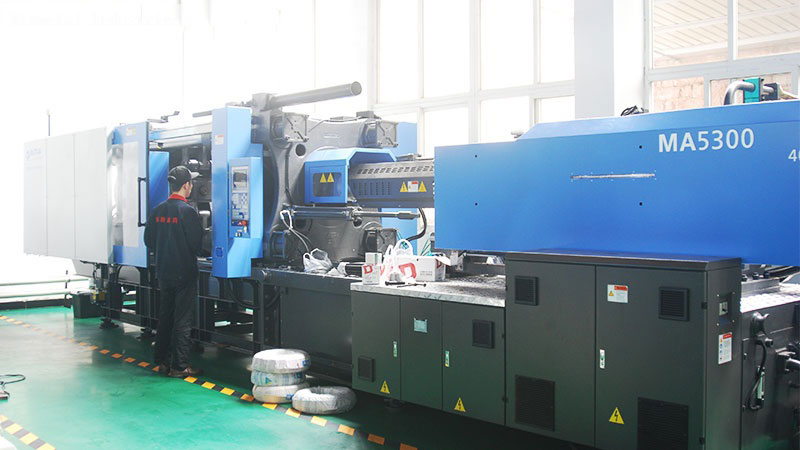
    In 2026, initial verification must go far beyond a supplier’s self-published online profile. A professional buyer starts with a multi-layered verification process. First, utilize official Chinese business registration checks via platforms like Tianyancha or Qichacha to confirm legal entity status, registered capital, and operational history. Cross-reference this with a deep-dive into their digital footprint: analyze their professional website for engineering content, seek out detailed case studies, and look for video evidence of their factory floor, machinery, and quality control processes. Crucially, move conversations from generic messaging platforms to professional channels like email or enterprise communication tools early on. Request direct contact with a project engineer or manager, not just a sales representative. This filters out trading companies and identifies true, capable manufacturers, setting a foundation of transparency.

    **Paragraph 2: Defining Specifications and Communication Protocols**

    Ambiguity is the primary source of cost overruns and quality disputes. Your technical data package must be impeccable. Beyond providing a 3D file (STEP or IGS), include a comprehensive mold specification sheet. This document should detail mold steel grade (e.g., P20, H13, S136), required cavity life expectancy, surface finish requirements (SPI standards), cooling line layout, ejection system preferences, and tolerance levels for critical dimensions. For the injection mold itself, specify the intended production material (e.g., PP, ABS, PC), expected cycle time, and any regulatory certifications needed (e.g., FDA, UL). Establish a formal communication protocol: agree on update schedules, the format for design reviews (DFM reports are non-negotiable), and the single point of contact on both sides. Using annotated screenshots and video calls during critical review stages can prevent misunderstandings.

    **Paragraph 3: Implementing Tiered Quality Control Gates**

    Relying solely on a final pre-shipment inspection is a high-risk strategy. Professional procurement in 2026 demands integrated, tiered quality control. Structure your payment terms to align with key QC milestones. The first gate is the First Article Inspection (FAI) after mold trial. Insist on a detailed trial report with photos and videos of the molding process, along with samples from the initial shots. Measure these samples against your CAD data using CMM reports provided by the supplier. The second gate is a Data Approval stage, where you approve the dimensional report before mass production of the mold components proceeds. Finally, a Pre-Shipment Audit should include a final inspection of the finished mold’s functionality and a last batch of sample parts. For critical projects, consider engaging a local third-party QC agency in China for the final audit, providing an unbiased assessment.

    **Paragraph 4: Navigating Logistics and Total Cost Analysis**

    The true cost of your mold includes far more than the supplier’s quotation. A professional buyer creates a Total Cost Analysis. This factors in the mold price, payment terms (typically 50% deposit, 50% before shipment), international shipping and insurance, import duties, and potential costs for rework or delays. Discuss Incoterms 2020 explicitly—FOB Shanghai is common, but understand your responsibilities from the point of delivery. For sea freight, ensure the China mold factory properly prepares the mold for a long voyage: desiccant bags, rust prevention, and secure, wooden crating are essential. Have a clear plan for the destination port, customs clearance, and final inland transportation to your facility. Budgeting for these elements upfront prevents unexpected financial shocks and ensures a smooth transition from factory floor to your production line.

    **Paragraph 5: Building a Partnership for Future Projects**

    Your goal should be to transition from a one-time buyer to a valued partner. A successful first project with a plastic mold manufacturer in China lays the groundwork for long-term efficiency. Document everything: communication logs, agreed specifications, QC reports, and feedback. Provide structured, constructive feedback to your supplier after project completion; this helps them improve and signals your interest in a lasting relationship. Discuss their capabilities for mold maintenance, repair, and future modifications. A reliable partner becomes an extension of your engineering team, capable of supporting product iterations and new developments with greater speed and understanding, ultimately compounding the competitive advantage gained from your initial, diligent procurement.

    Conclusion

    Importing injection molds from China in 2026 is a professional discipline that rewards meticulous planning and strategic execution. It is no longer a speculative endeavor but a calculated process of partner identification, specification clarity, quality integration, and total cost management. By adopting the structured approach outlined—rigorous supplier verification, unambiguous communication, staged quality control, comprehensive cost analysis, and partnership mindset—you transform procurement from a operational challenge into a core competitive strength. The right manufacturer is not just a vendor; they are a critical ally in bringing your product to market efficiently, reliably, and at an optimal cost. Begin your next project with this professional framework, and secure the quality and value that define successful global manufacturing today.

    Work With Us

    As a professional China mold manufacturer, we provide one-stop mold solution for overseas buyers.
    📞 Phone: +86-18605944639
    💬 WhatsApp: +8618605944639
    🌐 Website: bestmoldworks.com
    📧 Email: [email protected]
  • injection molding company in China: Ultimate Guide for 2026

    For overseas buyers, partnering with a world-class injection molding company in China remains one of the most strategic decisions to achieve cost efficiency, scalability, and rapid product development. However, the landscape is evolving rapidly. As we look toward 2026, the process involves more than just finding the lowest quote. It demands a sophisticated approach to supplier verification, technical collaboration, and quality assurance. This guide cuts through the noise to provide a clear, actionable framework for successfully importing high-quality injection molds from China, helping you mitigate risks and build a profitable, long-term supply chain.

    Mastering Supplier Discovery and Verification

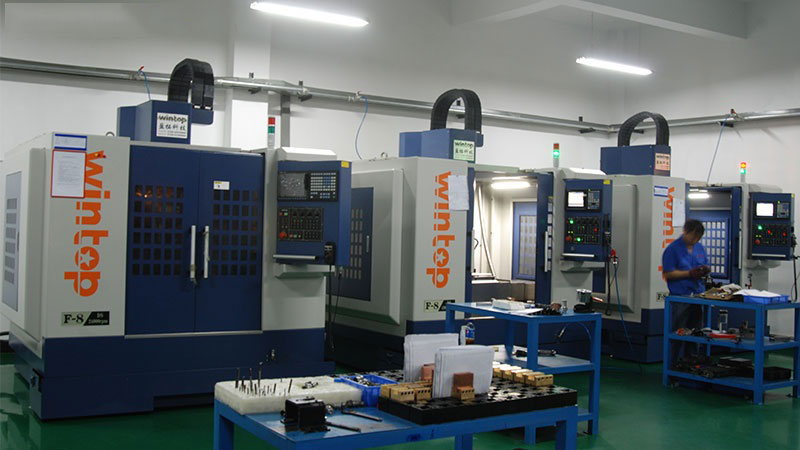
    The initial search can be overwhelming. Moving beyond generic B2B platforms is crucial for 2026. Start with a technical audit of potential partners. A competent China mold factory should readily provide evidence of their capabilities. Request detailed case studies for projects similar in complexity, material, and volume to yours. Examine their machinery list; modern, well-maintained CNC, EDM, and CMMS equipment are non-negotiable for precision. Crucially, verify business licenses and export credentials. A professional video tour of the facility is now a standard request and a powerful tool for initial verification. Prioritize suppliers who ask informed questions about your part’s function, tolerances, and end-use environment—this indicates a proactive engineering mindset rather than just a production shop.

    Navigating the Technical and Commercial Quotation

    A detailed request for quotation (RFQ) is your first line of defense against misunderstandings. Provide a comprehensive package: 3D CAD files (STEP or IGS), 2D drawings with critical GD&T tolerances clearly marked, material specifications, expected annual volumes, and a target piece-part price. Analyze the quotes you receive meticulously. Be wary of prices that seem too good to be true; they often reflect shortcuts in steel quality, cooling design, or post-processing. A professional injection molding company in China will break down costs: mold base steel grade (e.g., P20, H13, S136), number of cavities, anticipated cycle time, and any special processes like texturing or T1 sample costs. This transparency allows for an apples-to-apples comparison and informed negotiation.

    Implementing Proactive Quality Control from T0 to Mass Production

    Quality cannot be inspected into a mold; it must be built in. Define a clear Quality Control Plan with your supplier before work begins. This plan should mandate milestones like mold flow analysis reports before steel is cut, to anticipate and resolve filling or warpage issues digitally. Insist on raw material certificates for the mold steel. The most critical phase is the T1 sample evaluation. Do not approve samples from manually trimmed or tweaked molds. Samples must be from a production-ready mold running at standard cycle times. Use your own calibrated gauges or hire a local third-party inspection service to verify critical dimensions. For 2026, consider integrating smart factory data where possible; some leading mold makers provide access to real-time production monitoring dashboards.

    Managing Logistics, IP Protection, and Long-Term Partnership

    Finalizing the mold is only half the journey. Clearly define ownership: the mold is your asset. Ensure contracts stipulate that the mold cannot be used for other clients and is stored securely. Discuss and agree on maintenance and repair terms upfront. For logistics, decide on Incoterms (EXW, FOB, etc.) and choose a freight forwarder experienced in handling delicate模具 (molds). Proper crating is essential to prevent damage in transit. Regarding intellectual property, a well-drafted NNN Agreement (Non-Use, Non-Disclosure, Non-Circumvention) governed by a non-Chinese law is more effective in practice than a simple NDA for protecting your design. View successful procurement as the start of a partnership. Regular communication, fair treatment, and planned visits can transform a transactional relationship into a collaborative extension of your own engineering team.

    Conclusion

    Importing injection molds from China in 2026 is a nuanced process that rewards diligence, technical clarity, and strategic partnership. By refining your supplier verification process, demanding technical transparency, enforcing a rigorous quality control protocol from design to sample, and solidifying commercial and IP terms, you significantly de-risk your investment. The goal is to move beyond being just an overseas buyer to becoming a valued partner to a capable China mold factory. This approach not only secures a high-quality injection mold for your immediate project but also establishes a reliable, innovative manufacturing foundation that will support your product’s lifecycle for years to come. Start your next project with this framework, and turn the complexity of global procurement into your competitive advantage.

    Work With Us

    As a professional China mold manufacturer, we provide one-stop mold solution for overseas buyers.
    📞 Phone: +86-18605944639
    💬 WhatsApp: +8618605944639
    🌐 Website: bestmoldworks.com
    📧 Email: [email protected]
  • injection molding factory in china: Expert Tips & Sol 2026

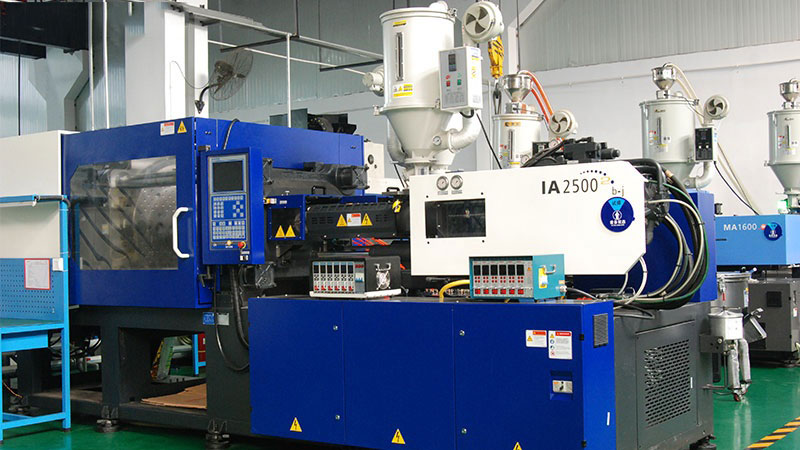
    For overseas businesses, partnering with an injection molding factory in China represents a significant strategic advantage, offering unparalleled scalability and cost efficiency. However, the path to a successful partnership is often fraught with challenges—from supplier verification to consistent quality control. The landscape is evolving rapidly, and strategies that worked five years ago may not suffice in 2026. This guide cuts through the noise to provide actionable, expert-level advice for importers seeking to build reliable, high-value supply chains for injection molds and molded parts. We focus on solving real procurement problems with practical solutions tailored for the current market.

    Mastering Supplier Verification Beyond Alibaba

    The initial search on B2B platforms is just the starting point. True supplier verification in 2026 requires a multi-layered due diligence approach. First, move beyond the platform’s storefront. Insist on a video tour of the China mold factory and its production floor. A legitimate injection molding factory in china will readily showcase its machinery, such as the number and tonnage of injection molding machines, CNC centers for mold making, and cleanroom facilities if required. Second, verify business licenses and ask for specific export records to your region. Third, and most crucially, request at least three references from current overseas clients and actually contact them. Ask about communication, problem-resolution, and post-sales support. This triad of verification—visual confirmation, document checking, and peer validation—dramatically reduces the risk of engaging with unqualified partners.

    Strategic RFQ Development for Accurate Quotations

    A vague request for quotation (RFQ) will yield incomparable and often misleading quotes. To procure the right injection mold, your RFQ must be a comprehensive technical package. Include detailed 3D drawings (STEP or IGS format) and 2D technical drawings with GD&T (Geometric Dimensioning and Tolerancing) standards. Specify the exact plastic material grade, expected annual volumes, and critical cosmetic requirements. For the mold itself, detail the expected lifespan (number of shots), cooling time targets, and any special requirements like hot runner systems or specific steel grades like 718H or S136. By providing this level of detail, you compel suppliers to quote on an identical scope, enabling true apples-to-apples comparison. This practice not only clarifies cost but also immediately identifies suppliers who pay attention to technical detail versus those who simply offer the lowest price.

    Implementing Phased Quality Control from DFM to Pre-Shipment

    Quality cannot be inspected into a product; it must be built into the process. Proactive buyers implement a phased QC protocol. It begins with a Design for Manufacturability (DFM) report. A competent China mold factory will provide a detailed DFM analysis, suggesting modifications to part design that enhance moldability, reduce cost, and improve durability. Never proceed without reviewing and approving this report. The next critical phase is the First Article Inspection (FAI) after the mold trial. This involves comprehensive measurement of sample parts against all critical dimensions on the drawing using CMM (Coordinate Measuring Machine) reports. Finally, institute a strict Pre-Shipment Inspection (PSI) for production runs. Either use a trusted third-party inspection service or have a clear protocol for your supplier to provide batch samples, inspection data, and packaging details before shipment is released. This end-to-end oversight is your primary safeguard against costly defects and production delays.

    Navigating Logistics, IP Protection, and Long-Term Partnership

    The business relationship extends beyond the factory gate. Clear agreements on logistics and intellectual property (IP) are non-negotiable. Use a detailed Proforma Invoice (PI) that explicitly states Incoterms 2020 (e.g., FOB Shenzhen, EXW). This clarifies responsibility for costs and risks at every stage of shipping. For IP protection, while a comprehensive NNN Agreement (Non-Use, Non-Disclosure, Non-Circumvention) is essential before sharing designs, also consider registering your design or utility model patent in China. It provides a stronger legal footing. Finally, view your chosen supplier as a strategic partner. Schedule regular performance reviews, discuss forecasts openly, and explore joint initiatives like value engineering. A transparent, fair, and communicative relationship incentivizes your injection molding factory to prioritize your projects and invest in long-term mutual success.

    Conclusion

    Importing injection molds from China in 2026 demands a sophisticated, process-oriented approach that prioritizes verification, clear communication, and embedded quality control. By moving beyond basic price shopping and implementing these expert tips—rigorous supplier vetting, technical RFQs, phased quality inspections, and solid contractual foundations—overseas buyers can transform the perceived risks of offshore procurement into a durable competitive edge. The goal is not merely to find a supplier but to cultivate a reliable extension of your manufacturing capability. With the right partner and processes, your venture with a Chinese injection mold manufacturer can be a cornerstone of your product’s quality, cost-effectiveness, and market success for years to come.

    Work With Us

    As a professional China mold manufacturer, we provide one-stop mold solution for overseas buyers.
    📞 Phone: +86-18605944639
    💬 WhatsApp: +8618605944639
    🌐 Website: bestmoldworks.com
    📧 Email: [email protected]
  • injection mold factory: Expert Tips & Solutions 2026

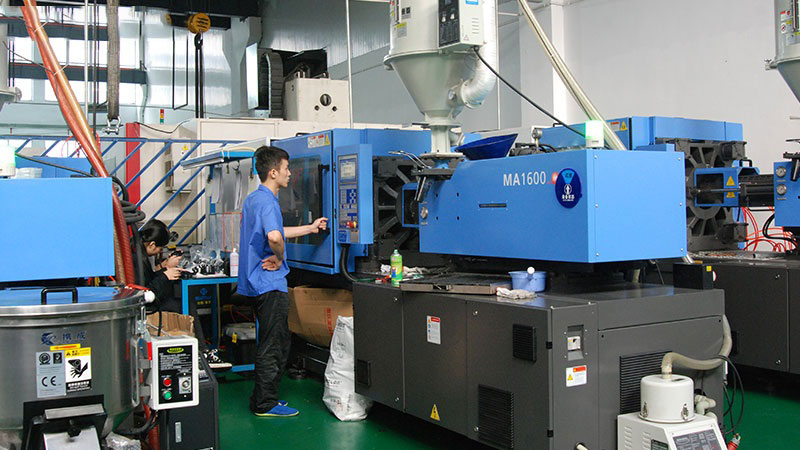
    Importing injection molds from China remains a strategic move for businesses worldwide seeking competitive manufacturing advantages. However, navigating the landscape of thousands of potential suppliers can be daunting. For overseas buyers, the core challenge is not merely finding a China mold factory but identifying a partner that ensures reliability, quality, and seamless communication. This guide for 2026 cuts through the noise to deliver expert, actionable solutions for your procurement journey, helping you mitigate risks and secure a successful partnership with a top-tier injection mold factory.

    Mastering Supplier Verification Beyond the Surface

    The first and most critical step is thorough supplier verification, which must go deeper than a website or Alibaba storefront. In 2026, due diligence is multi-layered. Begin with a comprehensive business license check using official Chinese platforms to confirm legal entity status and registered capital. Next, insist on a virtual or recorded factory tour; a reputable injection mold factory will readily showcase its shop floor, machinery brands like DMG Mori or Haitian, and its quality control lab. Crucially, request and contact past overseas clients. Speaking directly with a European or North American buyer about their experience with timelines, problem-solving, and post-sales support provides invaluable, unbiased insight. This process filters out trading companies masquerading as manufacturers and identifies true production partners.

    Implementing Proactive and Phased Quality Control Protocols

    Quality control cannot be an afterthought; it must be engineered into the procurement process from day one. Relying solely on final inspection is a high-risk strategy. Instead, implement a phased QC plan with your China mold factory. Key milestones include a First Article Inspection (FAI) report after the initial sample is produced from the mold, using Coordinate Measuring Machine (CMM) data to verify critical dimensions against your CAD model. Require full documentation at each stage: material certificates for the mold steel, such as pre-hardened 718 or H13, and heat treatment reports. For the molded parts, define your Acceptable Quality Level (AQL) standards for production runs. Consider engaging a local third-party quality inspection firm for impartial audits at critical stages, especially for high-volume or complex projects. This structured approach prevents costly surprises and ensures the injection mold meets your specifications before it leaves the factory.

    Navigating Technical Communication and Intellectual Property Protection

    Clear technical communication is the bridge between your design intent and the final product. To avoid costly misunderstandings, provide a comprehensive and standardized technical data package. This should include 3D CAD files (STEP or IGES), 2D drawings with GD&T, and a detailed specification sheet covering material, surface finish, texture requirements, and part tolerances. Utilize collaborative tools for real-time markups and reviews. Regarding Intellectual Property, a proactive stance is essential. While a well-drafted Non-Disclosure Agreement is a starting point, consider registering your design patents in China. Furthermore, discuss and contractually agree on data security measures with your supplier. A professional partner understands these concerns and will have protocols in place, turning IP protection from a point of fear into a foundation of trust.

    Strategic Sourcing and Total Cost Analysis

    While unit price is a factor, the most savvy buyers in 2026 focus on Total Cost of Ownership. When evaluating quotes from a China mold factory, ensure they are all-inclusive. Break down costs for mold design, materials, manufacturing, testing, and trial shots. Be wary of quotes that seem abnormally low, as they often indicate inferior steel, skipped heat treatment, or lack of necessary polishing—all leading to premature mold failure. Discuss maintenance and spare parts policies upfront. Will you receive mold design files for future repairs? What is the cost and lead time for replacement components? Understanding these elements allows for accurate long-term budgeting and prevents the false economy of choosing the cheapest initial bid only to face exorbitant maintenance costs later.

    Building a Partnership for Long-Term Success

    Ultimately, the goal is to transition from a transactional buyer-supplier relationship to a strategic partnership. This begins with selecting a factory whose capabilities align with your future roadmap. Are they experienced in your industry, whether automotive, medical, or consumer electronics? Do they offer additional services like part production, assembly, or packaging that could streamline your supply chain later? Establish clear communication channels and primary points of contact. Regular, scheduled video conferences foster relationship building and keep projects on track. View your chosen injection mold factory as an extension of your engineering team. A partner invested in your success will provide design for manufacturability feedback, suggest material alternatives for cost or performance, and proactively manage your tooling lifecycle.

    Conclusion

    Importing molds from China in 2026 demands a blend of diligent verification, embedded quality processes, clear communication, and strategic cost analysis. By moving beyond simple price comparison and implementing these expert tips, you transform the procurement process from a risky endeavor into a calculated strategy for competitive advantage. The right injection mold factory is more than a vendor; it is a crucial partner in bringing your product to market with efficiency, reliability, and exceptional quality. Start your next project with this framework, and build a supply chain relationship that delivers value for years to come.

    Work With Us

    As a professional China mold manufacturer, we provide one-stop mold solution for overseas buyers.
    📞 Phone: +86-18605944639
    💬 WhatsApp: +8618605944639
    🌐 Website: bestmoldworks.com
    📧 Email: [email protected]
  • injection mold China factory: Professional Buying Guide 2026

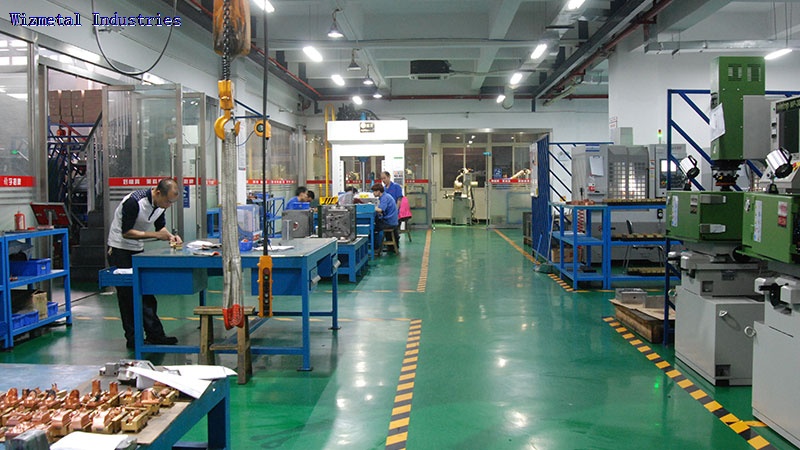
    For overseas buyers, sourcing an injection mold from a China factory represents a significant strategic advantage, offering unparalleled cost efficiency and manufacturing scale. However, navigating this complex landscape to find a reliable partner requires more than just a price comparison. This professional buying guide for 2026 cuts through the noise to provide actionable, real-world strategies for verifying suppliers, ensuring quality, and securing a return on your investment. We will move beyond basic advice to address the core challenges you face in procurement and supplier verification.

    Conducting Deep Due Diligence Beyond Alibaba

    The initial search often begins on B2B platforms, but true supplier verification in 2024 demands a multi-layered approach. Start by cross-referencing potential suppliers. A professional China mold factory will have a coherent digital footprint: a functional, detailed website with technical capabilities, an active LinkedIn page showcasing projects, and possibly videos on YouTube or Bilibili showing their workshop. Use Chinese search engines like Baidu with the company’s Chinese name to find news, forum discussions, or any regulatory filings. Crucially, verify business licenses via official Chinese platforms and check for ISO 9001 certification as a baseline for quality management systems. Remember, a professional injection mold China factory invests in its legitimate online presence as much as in its machinery.

    The Critical Step of Technical Communication and RFQ Precision

    A precise Request for Quotation (RFQ) is your first filter for technical competency. Beyond providing a 3D file, include a comprehensive checklist: material (grade and supplier), cavity requirements, expected cycle time, part volume, cosmetic specifications (SPI finish standards), tolerance levels, and post-molding requirements. Observe how the factory responds. Do their engineers ask clarifying questions about gate locations, ejection, or cooling? A supplier that quotes immediately without technical inquiries is a red flag. Insist on a detailed mold flow analysis report before finalizing the order. This simulation, which predicts filling, cooling, and potential defects, is non-negotiable for modern mold making and demonstrates the factory’s commitment to scientific molding and risk mitigation.

    Implementing Proactive and Phased Quality Control

    Waiting for a First Article Inspection (FAI) at your doorstep is a high-risk strategy. Effective quality control for your injection mold procurement must be phased. Define clear milestones with your China mold factory: a pre-production meeting to review design, raw material certification for mold steel (e.g., confirming genuine 718H or S136 steel), and in-process inspections. The most critical phase is the Trial Run Report (T1). Demand a documented report with high-resolution photos and videos of the trial run, shot size/pressure parameters, and samples from the trial. For high-value projects, hiring a local third-party quality inspection agency to witness the T1 trial is a wise investment. They can verify dimensions on a CMM, check mold functionality, and ensure the parts meet the agreed-upon standards before the mold leaves the factory.

    Navigating Logistics, IP Protection, and Contractual Safeguards

    The business framework is as important as the technical one. Use a detailed, bilingual purchase contract that specifies not just price and delivery, but also ownership of the mold design, payment terms linked to milestones (e.g., 30% deposit, 40% after T1 approval, 30% before shipment), warranty period for repairs, and liability for delays. Intellectual Property protection starts with a signed NDA but is enforced by working with factories that respect your design sovereignty. For logistics, clarify Incoterms 2020 explicitly. Will you use FOB, where you control shipping after the mold leaves the factory, or EXW, where you handle everything from their dock? Factor in professional mold packaging, insurance, and import duties in your destination country. A reliable partner will guide you through this process transparently.

    Building a Partnership for Long-Term Success

    View your chosen injection mold China factory not as a one-time vendor, but as a strategic manufacturing partner. Clear, consistent communication is vital; establish a single point of contact for technical and commercial matters. Consider visiting the factory, either in person or via a live video tour, to assess their equipment, workshop organization, and team. After successful completion of the first project, discuss framework agreements for future work, which can streamline procurement and improve pricing. This long-term perspective encourages the supplier to invest in the relationship, leading to better service, priority scheduling, and collaborative problem-solving, which is invaluable for ongoing production and future mold development.

    Conclusion

    Successfully importing an injection mold from a China factory in 2026 hinges on a disciplined, professional approach that prioritizes verification and proactive management over finding the lowest initial quote. By executing deep due diligence, enforcing precise technical communication, implementing phased quality control, securing robust contractual terms, and fostering a partnership mindset, you mitigate the inherent risks of overseas procurement. This methodology transforms the challenge of distance into a competitive advantage, granting you access to world-class manufacturing capabilities and ensuring your project’s quality, timeline, and budget are securely managed from concept to production.

    Work With Us

    As a professional China mold manufacturer, we provide one-stop mold solution for overseas buyers.
    📞 Phone: +86-18605944639
    💬 WhatsApp: +8618605944639
    🌐 Website: bestmoldworks.com
    📧 Email: [email protected]

  • custom molding: Professional Buying Guide 2026 | China Mold Factory

    For overseas buyers, the decision to import custom molds from China represents a significant strategic advantage, offering unparalleled cost efficiency and manufacturing scalability. However, navigating this complex landscape requires more than just finding the lowest quote. The journey from concept to a high-quality, production-ready mold in your facility is fraught with potential pitfalls. This professional guide for 2026 is designed to cut through the noise, providing you with actionable, real-world strategies to partner with a reliable China mold factory and execute a flawless procurement process. We will move beyond generic advice to solve the specific challenges you face in communication, technical alignment, and quality assurance.

    The cornerstone of a successful project lies in meticulous supplier verification, a step that cannot be rushed. In 2026, basic website checks are insufficient. Start with a deep due diligence process. Verify the supplier’s business license via official Chinese platforms and insist on a virtual or, ideally, a pre-contract in-person factory audit. During this audit, focus on their machine park—look for modern CNC, EDM, and precision grinding equipment. Crucially, assess their project management capabilities. Who will be your single point of contact? How do they handle design for manufacturability (DFM) feedback? A professional China mold factory will have a dedicated engineering team that proactively suggests improvements to your design to enhance moldability, reduce cost, and extend mold life, turning your procurement into a collaborative engineering effort.

    Once a qualified partner is identified, mastering the technical and commercial quotation phase is critical. A professional quotation for an injection mold should be exhaustively detailed, not a single lump sum. It must break down costs for mold base, cavity and core materials (specifying brands like ASSAB or Bohler), number of cavities, cooling system complexity, surface finishes (SPI standards), and the scope of trials. Clearly define what is included: are T1 sample parts, inspection reports, and minor revisions part of the quote? Furthermore, in 2026, sustainability is a growing concern; discuss material efficiency and energy-saving mold design options like conformal cooling. This granularity prevents hidden costs later and ensures both parties have identical expectations for the deliverable, forming a solid foundation for the custom molding project.

    With contracts signed, proactive and structured quality control is your most powerful tool. Do not adopt a “wait and see” approach until shipment. Implement staged inspection milestones. Key checkpoints include a pre-production material certification review, a first article inspection (FAI) after the mold base is machined, and a critical T1 sample evaluation. For the T1 samples, the mold should be run at the factory under stable conditions. You should receive not just samples but a comprehensive data pack: dimensional inspection reports (CMM data), process parameter sheets, and high-resolution photos/videos of the mold and parts. For high-volume or critical parts, consider engaging a local third-party quality control agency for an impartial on-site inspection during the trial run. This layered QC strategy de-risks the entire injection mold procurement.

    The final hurdle encompasses logistics, intellectual property protection, and long-term partnership. Use clear, Incoterms 2020 rules—EXW, FOB, or CIF—to unequivocally allocate responsibilities and costs. For IP protection, a robust Non-Disclosure Agreement (NDA) is essential, but complement it with a contract that stipulates ownership of all design and tooling. Some buyers opt to register the mold design in China for added legal security. Finally, view this not as a one-off transaction but as a strategic alliance. A reliable China mold factory is a partner for future projects, mold maintenance, and modifications. Their insight into material trends, new technologies like rapid tooling for prototypes, and the local supply chain is an invaluable asset for your product development roadmap.

    Successfully importing custom molds from China in 2026 demands a blend of rigorous vetting, technical collaboration, and vigilant oversight. The landscape is competitive, but by focusing on supplier verification, detailed technical alignment, staged quality control, and clear contractual frameworks, you transform a complex procurement challenge into a reliable and competitive supply chain pillar. The goal is to move beyond being just an overseas buyer to becoming a valued partner to your chosen China mold factory. This professional approach ensures that your investment in custom molding delivers not only a precision tool but also a foundation for product quality, innovation, and market success for years to come.

    Work With Us

    As a professional China mold manufacturer, we provide one-stop mold solution for overseas buyers.
    📞 Phone: +86-18605944639
    💬 WhatsApp: +8618605944639
    🌐 Website: bestmoldworks.com
    📧 Email: [email protected]

  • plastic injection mould manufacturer in china: Profess 2026

    For overseas businesses, sourcing a reliable plastic injection mould manufacturer in China remains one of the most potent strategies for achieving cost-effective, scalable production. However, the landscape is evolving rapidly. As we look toward 2026, the game is no longer just about finding the lowest price; it’s about strategic partnership, technological integration, and navigating a more sophisticated supply chain. This guide cuts through the noise to provide actionable, professional advice for your procurement journey, helping you solve real problems and build a supply chain that is both resilient and competitive.

    The core challenge has shifted from mere discovery to intelligent verification. The initial online search will yield hundreds of potential China mold factory options, creating a paradox of choice. The real work begins with systematic supplier verification. Move beyond glossy websites and Alibaba storefronts. Insist on a video conference facility tour—not a pre-recorded video—to assess workshop organization, machinery (look for modern CNC, EDM, and injection molding machines), and in-house capabilities. Demand to speak directly with project engineers, not just sales agents. Verify business licenses and export credentials. In 2026, a reputable supplier will be transparent, using digital tools to facilitate this due diligence seamlessly. This first filter is critical to avoid partners who lack the fundamental discipline for international projects.

    Once a shortlist is established, the focus must turn to precision in technical communication and prototyping. Ambiguity in design specifications is the primary cause of cost overruns and delays. Invest in creating flawless, fully detailed 3D CAD models (STEP or IGES files) and comprehensive 2D drawings with GD&T (Geometric Dimensioning and Tolerancing) standards clearly defined. Discuss material selection with your potential partner, leveraging their experience with polymer performance. Then, prioritize a multi-stage prototyping process. Start with 3D-printed prototypes for form and fit validation. The critical step is commissioning a single-cavity soft tool or a prototype mold from your chosen injection mold supplier. This allows for functional testing with the actual production material before committing to the high cost of the full-scale, multi-cavity production mold. This staged approach de-risks your investment significantly.

    The pivotal phase that determines long-term success is the implementation of rigorous, transparent quality control protocols. Do not assume standards; contractually define them. Specify the Quality Inspection Plan (QIP) for the mold itself: what measurements will be taken (using CMM reports), what are the acceptance criteria for mold steel hardness, surface finish (SPI standards), and part dimensions (PPAP documentation is a strong framework). For production, clarify who will perform First Article Inspection (FAI) and Process Capability (CpK) studies. In 2026, leading Chinese manufacturers offer integrated quality management portals where you can access real-time inspection data, photos, and reports. Budget for an independent third-party inspection (TPI) at critical milestones, especially before the mold shipment and during initial production runs. This is not a sign of distrust but a standard professional practice.

    Finally, view the partnership through the lens of total cost of ownership and lifecycle management. The cheapest mold often becomes the most expensive asset due to premature wear, high maintenance, and production downtime. Discuss mold lifecycle support upfront. Will the China mold factory provide a detailed maintenance manual? Do they stock spare components like heaters or sensors? What are the terms for repair and refurbishment? Furthermore, in an era of geopolitical and logistical shifts, build contingency into your supply chain. Consider dual-sourcing for critical molds or discuss secure data backup and mold storage options. A professional partner in 2026 will understand these concerns and collaborate on solutions that ensure business continuity, transforming a simple procurement transaction into a strategic manufacturing alliance.

    In conclusion, successfully engaging a plastic injection mould manufacturer in china in 2026 requires a methodical, technology-enabled, and partnership-driven approach. It begins with forensic supplier verification, is cemented by precise technical communication and staged prototyping, and is sustained by institutionalizing quality control and planning for the mold’s entire lifecycle. The goal is to move beyond a client-vendor dynamic to a collaborative engineering partnership. By applying these professional strategies, overseas buyers can unlock the immense value of Chinese manufacturing—not just in cost savings, but in innovation, speed-to-market, and production excellence that will define the competitive landscape for years to come.

    Work With Us

    As a professional China mold manufacturer, we provide one-stop mold solution for overseas buyers.
    📞 Phone: +86-18605944639
    💬 WhatsApp: +8618605944639
    🌐 Website: bestmoldworks.com
    📧 Email: [email protected]

  • custom molded part: Professional Buying Guide 2026

    For overseas buyers, sourcing a custom molded part from China remains a strategic decision to balance quality, innovation, and cost. However, the landscape of manufacturing and procurement is constantly evolving. As we look toward 2026, success hinges on a more sophisticated approach than simply finding the lowest quote. This professional guide is designed to navigate you through the critical steps of importing molds and molded parts from China, focusing on actionable strategies to mitigate risk and secure a reliable supply chain for your specific custom molded part requirements.

    The foundation of a successful project lies in selecting the right China mold factory. Moving beyond basic online directories, the 2026 approach requires deep due diligence. Start by verifying business licenses and export credentials. Utilize video conferencing for virtual factory tours, specifically requesting to see workshops operating similar injection mold projects to yours. Pay close attention to the machinery; modern, well-maintained injection mold presses and CNC equipment are non-negotiable for precision. Furthermore, investigate their engineering team’s capability. A competent factory will have in-house engineers who can engage in Design for Manufacturability (DFM) discussions, potentially optimizing your part design for cost and performance before the mold is even cut. This proactive collaboration in the design phase is a key indicator of a partner, not just a vendor.

    Once potential partners are identified, a rigorous supplier verification and qualification process is essential. Develop a standardized audit checklist that covers quality management systems (ISO 9001 is a baseline), material traceability procedures, and their internal quality control workflow. Request detailed case studies and, crucially, contact references from past international clients. In 2026, leveraging third-party inspection services for an initial pre-production audit is a wise investment. These professionals can assess the factory’s technical capabilities and quality culture objectively. During negotiations, be explicit about intellectual property (IP) protection. A reputable supplier will understand this concern and sign a comprehensive Non-Disclosure Agreement (NDA) and mold ownership agreement before receiving your detailed designs. Clear contracts outlining all terms, including payment milestones, delivery schedules, and liability, are your strongest safeguard.

    The procurement process for an injection mold is a phased journey that demands clear communication at each stage. After order placement, insist on a formal DFM report and a detailed mold flow analysis. This simulation predicts how plastic will fill the mold cavity, allowing for corrections to avoid defects like warping or short shots. Following this, approve a 3D mold design before manufacturing begins. The first article inspection (FAI) is a critical milestone. Upon receiving the initial samples from the trial mold, conduct a thorough dimensional and functional inspection against your CAD data and specifications. Do not approve mass production until the sample is perfect. Use this phase to also establish the parameters for the Production Part Approval Process (PPAP) or similar documentation, which will be vital for consistent future orders. Managing these stages methodically transforms procurement from a transactional event into a controlled engineering project.

    Implementing a robust quality control framework is what separates successful long-term imports from problematic ones. Define your quality standards clearly in the technical agreement, referencing international standards (e.g., ASTM, ISO) where applicable. For critical custom molded part projects, consider a multi-tiered QC approach: in-process checks by the supplier, pre-shipment inspections by a third-party agency, and final receipt inspection at your facility. Statistical Process Control (SPC) data from the production run should be requested to demonstrate process stability. For components with tight tolerances, coordinate measuring machine (CMM) reports are essential. Establish a clear protocol for non-conforming parts, including root cause analysis and corrective actions. Building a quality-focused relationship means funding inspections into your budget; it is a cost that pays for itself by preventing expensive rework, delays, and brand reputation damage.

    Finally, view your sourcing strategy through a long-term partnership lens. The most cost-effective mold import is one that yields high-quality parts consistently over hundreds of thousands of cycles. Discuss mold maintenance schedules and the availability of spare mold components with your supplier. A reliable partner will support you with engineering change notices (ECNs) if your part needs future revisions. Furthermore, explore their capabilities in secondary operations (assembly, ultrasonic welding, painting) to potentially consolidate your supply chain. As we advance into 2026, leading Chinese manufacturers are investing in smart factory technologies and sustainability practices; aligning with such forward-thinking partners can future-proof your supply chain and add value beyond the initial unit price.

    In conclusion, importing a custom molded part from China in 2026 requires a blend of technical diligence, structured process management, and strategic relationship building. The journey from concept to consistent delivery is complex, but by meticulously verifying your China mold factory, mastering the procurement phases, enforcing stringent quality control, and fostering a collaborative partnership, you can unlock the immense value the Chinese manufacturing sector offers. This professional approach minimizes risk and positions your project for reliability, scalability, and long-term success in the global marketplace.

    Work With Us

    As a professional China mold manufacturer, we provide one-stop mold solution for overseas buyers.
    📞 Phone: +86-18605944639
    💬 WhatsApp: +8618605944639
    🌐 Website: bestmoldworks.com
    📧 Email: [email protected]